

Complexity Cartography
A multi-disciplinary approach to uncharted risk

Compliance registers feel comprehensive
…until they miss the events that matter.
As compliance pressure builds, reporting a near-miss can start to feel like a liability. What should be a small, useful signal becomes a paper trail with real career consequences, this leads to underreporting. When a near-miss signal is missed, risk visibility is lost. Controls start to look more effective than they are. Confidence grows. Compliance tightens further. The whole loop feeds itself, quietly compounding, until something the risk register never mentioned lands without warning.
The practices that break this cycle sit outside compliance: the tradecraft of intelligence analysts, the discipline of systems thinkers, the work of futures practitioners, and the immersive techniques that engineer experiences before they are encountered.
Complexity Cartography assembles those four practices into a single, deployable methodology.

"John Snow did not find cholera by auditing a register. He mapped the deaths, saw the pattern, and removed the handle from the Broad Street pump."
Four blended disciplines assembled into a single practice
Each layer of Complexity Cartography navigates a different dimension of risk:
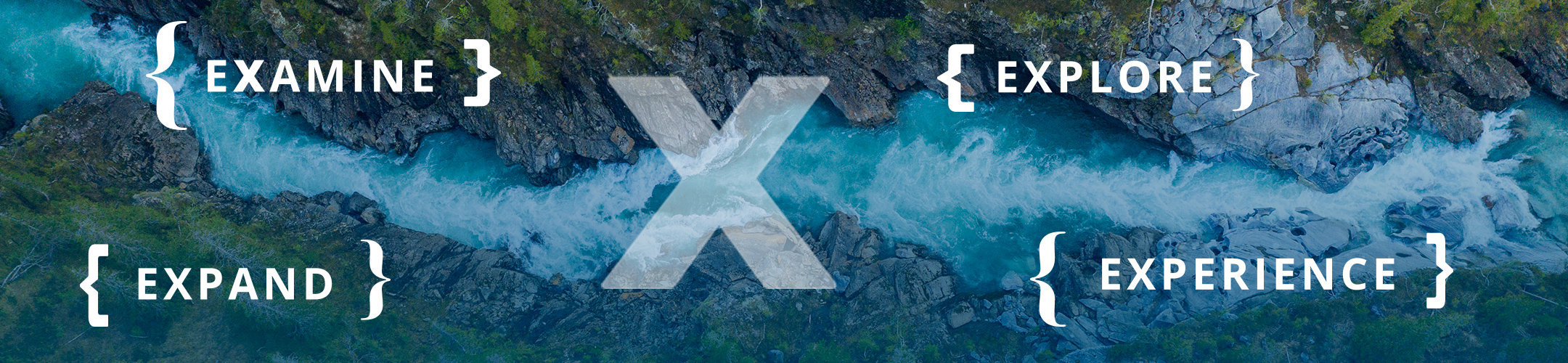
Examine with intelligence tradecraft.
This gets underneath the assumptions no one has thought to question, the ones steering decisions in the wrong direction, and surfaces the early indicators of threats that haven't fully formed yet.

Explore with systems thinking.
This maps the feedback loops, hidden structures and unintended consequences that linear analysis will never catch.
Expand with strategic foresight.
This pushes beyond probability altogether, into the territory of what is plausible and what is possible, where the most consequential risks tend to live.
Experience with creativity and immersion.
This brings those possible futures to life in ways that let people feel the complexity of risk, not just read about it, making it something decision-makers can confidently act on.
The best cartographers didn't just draw what they could see.
They drew what they needed to understand.
That's what Complexity Cartography asks of us as risk practitioners. Not just to record the terrain. To understand it. To reveal what the existing map can't see and to draw it in a way that helps others navigate.
This approach seeks to shift us from compliance-driven risk management towards risk intelligence as a strategic capability.
Confidence.
Through strategic risk analysis.
Leave your name and email to get in contact with our General Manager – Change and Complexity, Isaac Reilly
